A place to bird · Alto Alentejo
Caia Reservoir
Where the dry plain comes to drink — terns, spoonbills and a frontier lake
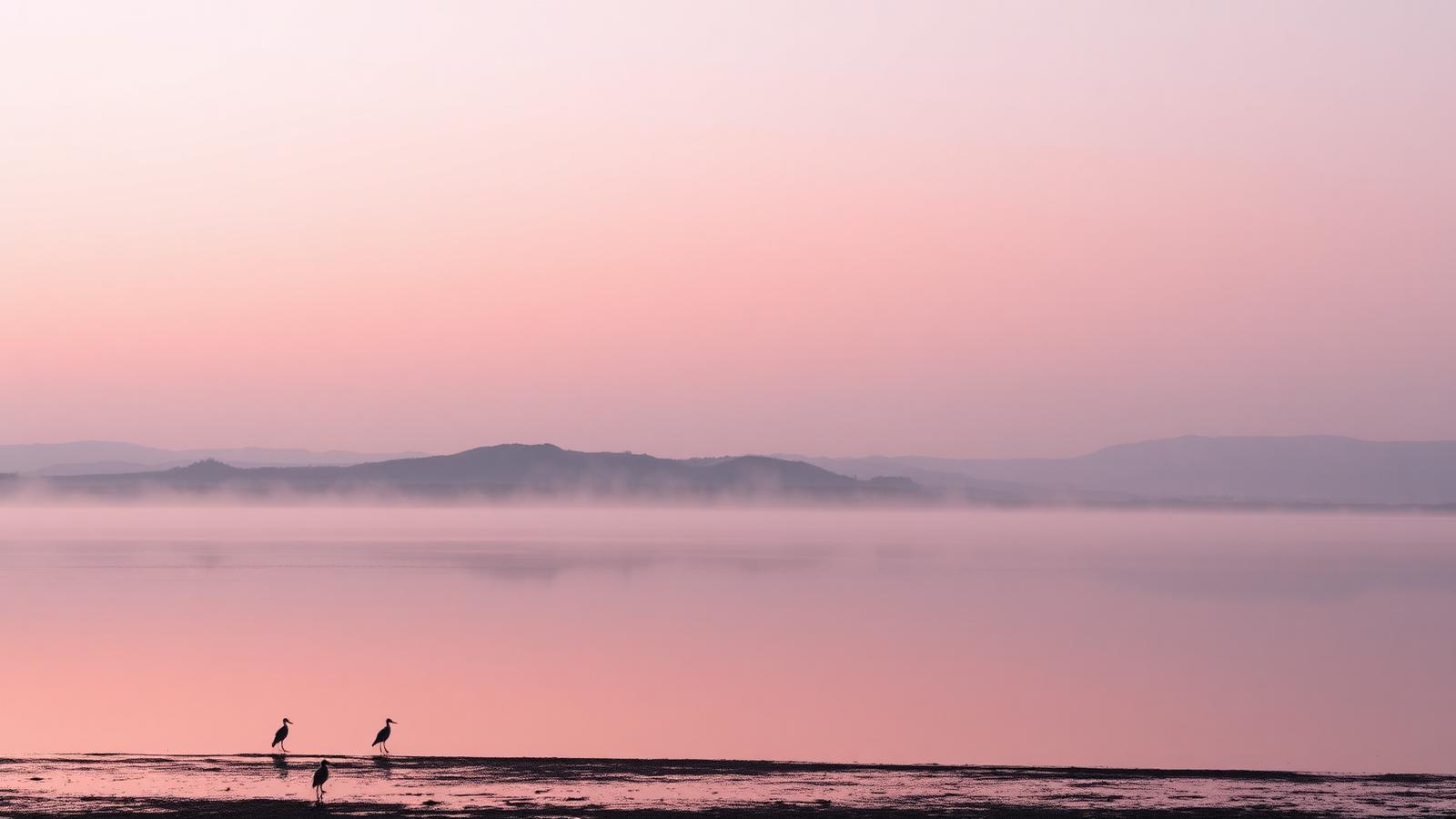
A short way on from the open plain, the land dips to water. The Caia reservoir — the largest in the Portalegre district, fed by the Caia river near the Spanish border — is the wet counterpoint to a morning among the bustards: the place the dry-country birds come to drink, and a habitat all its own. It sits inside the same protected plains as Campo Maior, so a day on the steppe and an hour at the lake belong together.
There's a quiet irony worth keeping in mind here, and it runs through this whole border country: the lake is a human work — a 20th-century dam — that the birds simply took over. Spoonbills and terns now depend on an engineer's wall. In a land that has shaped and fought over its water for two thousand years, the newest waterworks is just the latest chapter the wildlife has turned to its own use.
The newsletter
What's flying now
A short, seasonal note from the Serra — what to listen for, what's passing through.
Where it is
Map — to come
The reservoir lies out by Campo Maior, in the plains country southeast of your base — the natural second stop on an Elvas plains day, water after grassland.
- From Castelo de Vide
- Route & timing — to come
- Coordinates
- A starting point on the shore — to come
- Best shore / parking
- Which margin to work, and where to stop — to come
What you'll see
Water changes the list entirely. The headline birds here are wetland birds:
- Gull-billed Tern
A breeding colony nests here; elegant, pale, hawking over the water in summer. A genuine local speciality.
- Eurasian Spoonbill, White Stork, Little Egret, Grey Heron
The waders and long-legs of the shallows and margins.
- Winter wildfowl
Teal, Pochard, Red-crested Pochard on the water; Black-winged Stilt, Collared Pratincole and passage waders on the mud.
- Summer extras
Common Kingfisher along the inflows, Bee-eater overhead in summer.
And because the lake sits in the plains, the open-country birds spill in too — harriers quartering the shore, Black-winged Kite, Lesser Kestrel, Calandra Lark — while the wintering Common Cranes of the Campo Maior plains are never far. One stop, two worlds: the steppe and the water, side by side.
Best time & light
- Spring and early summer for the breeding terns and the arriving summer visitors.
- Winter for wildfowl on the water and the cranes on the plains around it.
- Early and late as ever — and the reservoir is also used for water sports, so the calm, bird-rich hours are the quiet ones at each end of the day.
See the full month-by-month picture on the Seasonal calendar →
On the ground
The dam wall and the open water
The best vantage over the main body of the lake, for terns, grebes and wildfowl at distance — bring a scope.
Exact point and access — to come.
The margins and inflows
Where the water shallows and the river feeds in, the waders, herons and kingfisher concentrate. Slower, closer birding.
Ouguela above
The fortified border hamlet of Ouguela keeps watch over this country from its rise — a medieval vantage over a modern lake.
Pair it with
Water and the frontier
Caia rounds out the plains day, and its history is a history of water on a contested border:
- Elvas →
The great Amoreira aqueduct, the historic waterwork that once carried the garrison town's supply — the older sibling of the dam you've just birded.
- Campo Maior & Ouguela →
Border fortresses over the same valley — and the open steppe that holds the bustards and sandgrouse.
- Back to the sierra: Castelo de Vide →
Return from the plains and the lake to the town and the mountains — the two landscapes of the trip close around you.
The engineered lake and the engineered aqueduct are the same story told two centuries apart — water, command, and the birds that profit from both.
Make it a trip
The plain, the lake and a medieval town to sleep in — all from one base.
We'll pair Caia with an Elvas plains morning, timed for the terns in spring or the cranes and wildfowl in winter.